

Lately, the idea of investing in treasured metals has gained traction among investors seeking to diversify their portfolios and hedge towards economic uncertainties. A Valuable Metals Individual Retirement Account (IRA) permits people to include physical valuable metals, reminiscent of gold, silver, platinum, and palladium, as a part of their retirement savings strategy. This article explores the basics of Valuable Metals IRAs, their benefits, potential drawbacks, and the technique of establishing one.
What's a Precious Metals IRA?
A Precious Metals IRA is a self-directed retirement account that allows traders to carry bodily treasured metals as part of their retirement portfolio. Unlike traditional IRAs, which usually hold paper property like stocks and bonds, a Precious Metals IRA allows people to put money into tangible property. The internal Income Service (IRS) regulates these accounts, allowing only sure forms of treasured metals to be included.
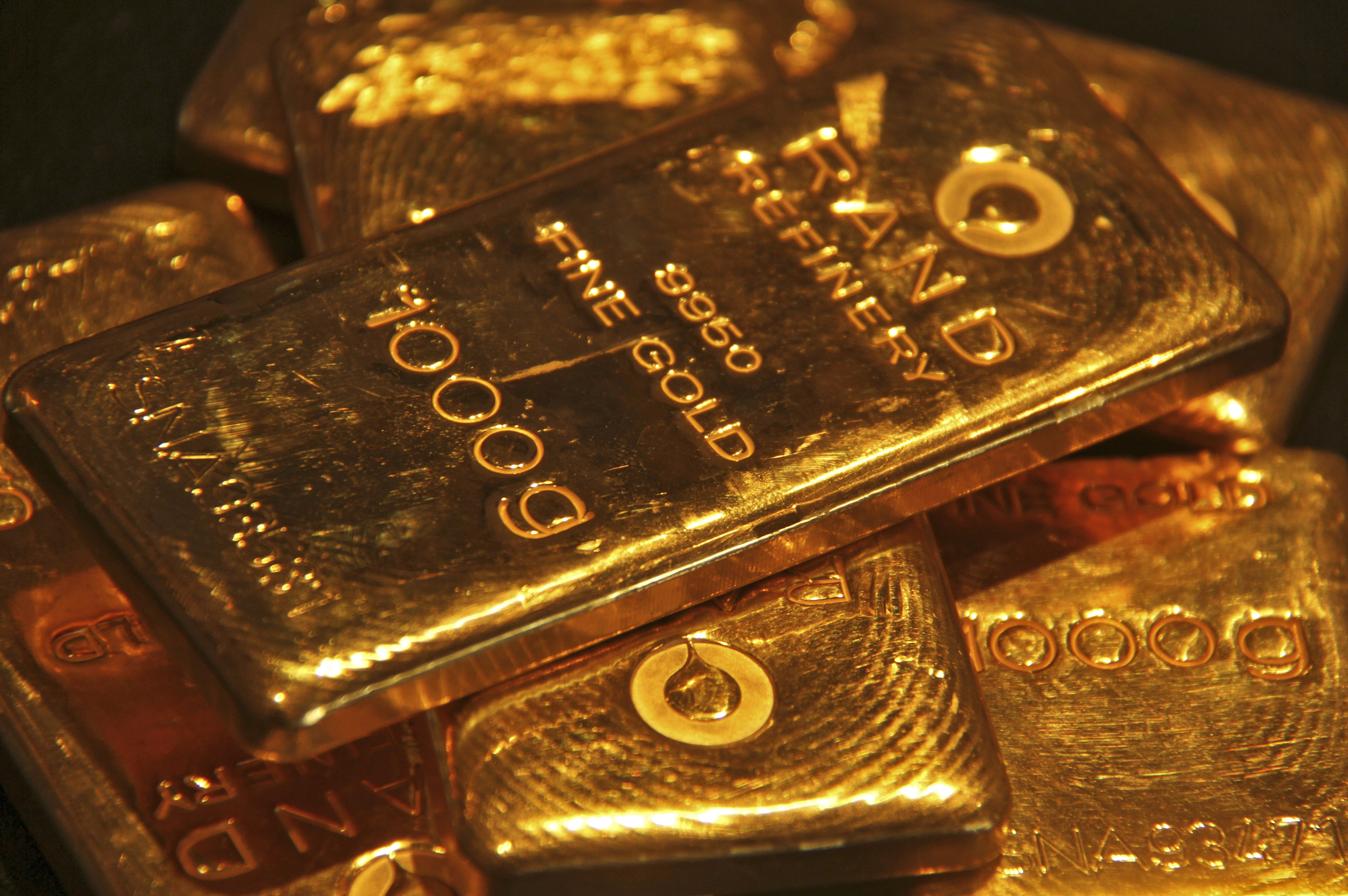
Eligible Valuable Metals
The IRS has particular tips concerning which treasured metals could be included in a Precious Metals IRA. The eligible metals must meet sure purity standards:
- gold ira companies gold: Should have a minimal purity of 99.5% (24 karats). Commonly accepted gold coins embody the American Gold Eagle, Canadian Gold Maple Leaf, and the South African Krugerrand.
- Silver: Should have a minimal purity of 99.9%. Accepted silver coins embrace the American Silver Eagle, Canadian Silver Maple Leaf, and various rounds and bars from accredited manufacturers.
- Platinum: Will need to have a minimal purity of 99.95%. Accepted platinum coins embrace the American Platinum Eagle and Canadian Platinum Maple Leaf.
- Palladium: Must even have a minimum purity of 99.95%. Accepted palladium coins embody the Canadian Palladium Maple Leaf.
Benefits of a Precious Metals IRA
1. Diversification
One in all the primary benefits of a Precious Metals IRA is the diversification it presents. Treasured metals typically have a low correlation with conventional asset courses, similar to stocks and bonds. Because of this when the stock market experiences volatility, valuable metals might retain their worth or even respect, providing a buffer in opposition to losses in other areas of the portfolio.
2. Hedge Towards Inflation
Precious metals, particularly gold, have historically served as a hedge against inflation. As the worth of paper forex declines on account of inflation, the intrinsic worth comprehensive reviews of the best gold ira companies - sikkimclassified.com - treasured metals tends to rise. Investors typically turn to gold during financial downturns, making it a reliable retailer of worth.
3. Tangible Asset
In contrast to stocks and bonds, that are intangible, precious metals are bodily property that buyers can hold. This tangibility can present peace of mind, particularly throughout occasions of financial instability. Investors can take comfort in understanding they possess a physical asset that has intrinsic worth.
4. Tax Benefits
Like conventional IRAs, Treasured Metals IRAs offer tax benefits. Contributions to a traditional IRA will be tax-deductible, and the investment grows tax-deferred until withdrawal. Roth IRAs, however, offer tax-free growth and tax-free withdrawals in retirement. These tax advantages can improve the general returns on investment.
Potential Drawbacks of a Precious Metals IRA
1. Storage and Insurance coverage Prices
Investing in physical valuable metals requires secure storage, which might incur additional costs. Traders usually have to store their metals in an IRS-accredited depository, which fees fees for storage and insurance. These prices can eat into the general returns of the funding.
2. Limited Liquidity
While valuable metals might be bought comparatively easily, the liquidity of a Precious Metals IRA will not be as excessive as other funding autos. Promoting bodily metals may require discovering a purchaser and may involve transaction fees. Additionally, IRAs have particular withdrawal rules and penalties for early withdrawals, which can limit access to funds.
3. Market Volatility
The costs of treasured metals will be unstable, influenced by various elements such as geopolitical events, forex fluctuations, and adjustments in demand. Whereas precious metals can function a hedge against inflation, they don't seem to be immune to price swings, and buyers must be prepared for potential fluctuations in value.
How to determine a Precious Metals IRA
Organising a Precious Metals IRA includes a number of steps:
1. Choose a Custodian
Step one is to choose a custodian who focuses on Valuable Metals IRAs. The custodian will handle the account, ensure compliance with IRS rules, and facilitate the acquisition and storage of valuable metals. It is essential to pick out a good custodian with expertise in handling Treasured Metals IRAs.
2. Fund the Account
Once a custodian is chosen, buyers can fund their Precious Metals IRA by way of contributions or rollovers from existing retirement accounts. If rolling over funds, it is crucial to observe IRS guidelines to keep away from tax penalties.
3. Choose Precious Metals
After funding the account, traders can work with their custodian to select eligible precious metals. The custodian will facilitate the acquisition and ensure that the metals are saved in an IRS-authorised depository.
/Gold-David-McNew-56a9a6483df78cf772a93880.jpg)
4. Monitor the Funding
Investors should commonly monitor their Precious Metals IRA, conserving an eye on market developments and the performance of their metals. It is usually very important to stay knowledgeable about any adjustments in IRS laws that will have an effect on the account.
Conclusion
A Precious Metals IRA generally is a priceless addition to an funding portfolio, providing diversification, a hedge against inflation, and the security of tangible assets. Nonetheless, potential investors ought to carefully consider the related prices, market volatility, and the importance of deciding on a reputable custodian. As with every funding, thorough analysis and a clear understanding of private financial targets are important for making knowledgeable decisions. By incorporating valuable metals into a retirement strategy, people can enhance their monetary security and doubtlessly safeguard their wealth for the long run.