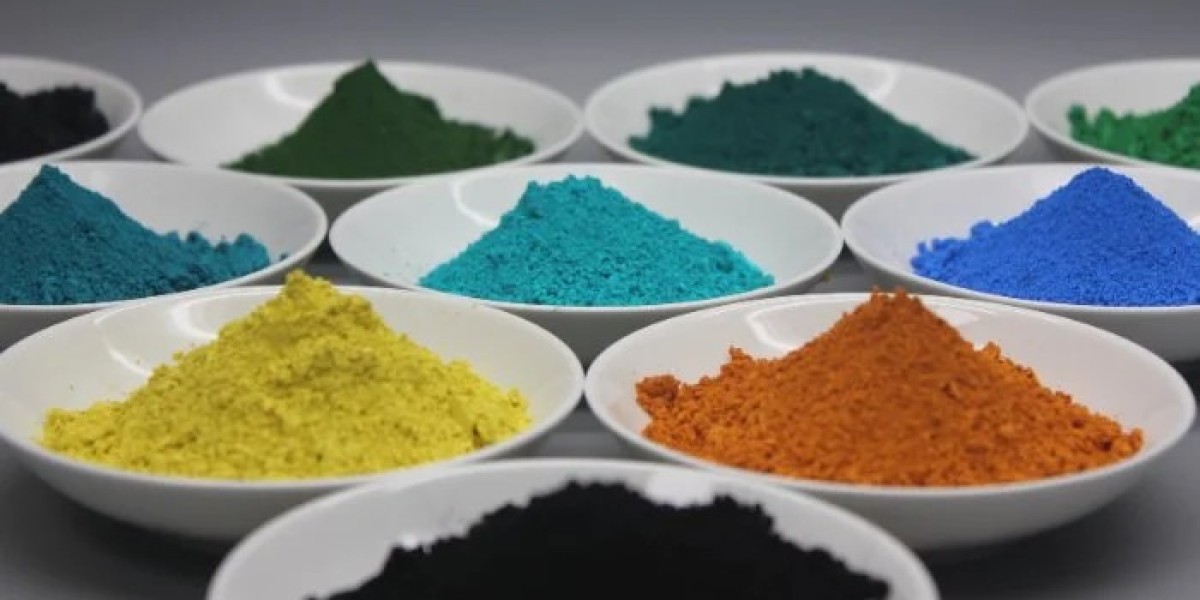

In the modern textile and fashion industry, color is more than just a visual appeal—it is a critical element that defines style, identity, and brand recognition. For manufacturers, designers, and creative professionals, having access to high-quality and customizable textile pigments is essential for bringing innovative fabric designs to life. These pigments provide consistent color performance, long-lasting durability, and the flexibility to create unique patterns and effects across different types of textiles.
Why Choose Customizable Textile Pigments?
Textile pigments are the cornerstone of fabric coloration, allowing designers to transform raw textiles into vibrant, visually appealing products. The customizable nature of modern pigments offers several key benefits:
Unique Color Matching – Brands and designers can develop exclusive colors that reflect their identity or seasonal trends.
Enhanced Creativity – Pigments can be tailored to produce special effects, gradients, or multi-tone designs.
Compatibility – Suitable for various fabrics including cotton, polyester, silk, wool, and blended materials.
Eco-Friendly Options – Many customizable pigments are produced with sustainable practices and low environmental impact.
By allowing precise adjustments in hue, saturation, and brightness, customizable textile pigments enable designers to achieve artistic freedom while ensuring consistent quality across production batches.
Key Features of Customizable Textile Pigments
1. Vibrant and Long-Lasting Colors
Modern textile pigments are formulated to provide bright and eye-catching colors that maintain their intensity even after multiple washes and exposure to sunlight. The high color fastness ensures that fabrics retain their original appearance over time, enhancing customer satisfaction.
2. Wide Compatibility with Fabric Types
From natural fibers like cotton and silk to synthetic fibers such as polyester and nylon, customizable pigments are engineered to bond effectively with different textiles. This versatility makes them suitable for a broad range of applications, from apparel and home textiles to industrial fabrics.
3. Easy Integration with Printing and Dyeing Techniques
Customizable pigments are compatible with various printing methods including screen printing, digital printing, and rotary printing. They also work effectively in dyeing processes, allowing manufacturers to maintain consistent color quality in both small and large-scale production.
4. Eco-Conscious Formulation
Sustainable production has become a priority in the textile industry. Many modern pigments are formulated with low-VOC content, reduced chemical additives, and water-saving properties, aligning with global environmental standards and helping brands enhance their eco-friendly credentials.
Applications of Customizable Textile Pigments
The versatility of customizable textile pigments enables their use across a wide spectrum of industries and applications:
Fashion and Apparel – Creating unique clothing lines with exclusive colors and effects.
Home Textiles – Producing vibrant curtains, upholstery, bed linens, and decorative fabrics.
Sportswear and Performance Fabrics – Ensuring color durability under high-stress conditions.
Accessories – Coloring bags, hats, shoes, and other textile-based products.
Industrial Textiles – Enhancing the appearance of fabrics used in automotive, packaging, and filtration products.
By offering flexibility and durability, customizable pigments allow brands to differentiate themselves and deliver high-quality products that meet consumer expectations.
Benefits of Using Customizable Textile Pigments
Creative Freedom – Designers can experiment with colors, effects, and gradients to develop distinctive textile designs.
Brand Differentiation – Custom colors help businesses establish a unique brand identity in a competitive market.
Consistent Quality – Pigments provide uniform color coverage and high reproducibility in mass production.
Sustainability – Eco-friendly formulations reduce environmental impact and support responsible manufacturing practices.
Cost Efficiency – High-quality pigments minimize waste and improve production efficiency by ensuring reliable color outcomes.
Conclusion
In today’s competitive textile and fashion markets, customizable textile pigments for creative and unique designs provide a powerful tool for innovation. By combining vibrant, long-lasting colors with eco-friendly, versatile formulations, these pigments enable designers and manufacturers to produce standout products that resonate with consumers. Whether for apparel, home textiles, accessories, or industrial fabrics, investing in high-quality customizable pigments ensures durability, consistency, and unmatched creative freedom.
For brands looking to make a lasting impression, these pigments not only enhance visual appeal but also align with sustainability goals, ultimately supporting both business growth and environmental responsibility.
https://www.draycolor.com/customizable-textile-pigments-for-creative-and-unique-designs.html